

#AITHANEXAgents
AITHANEX Agents: AI agents and bots for automation
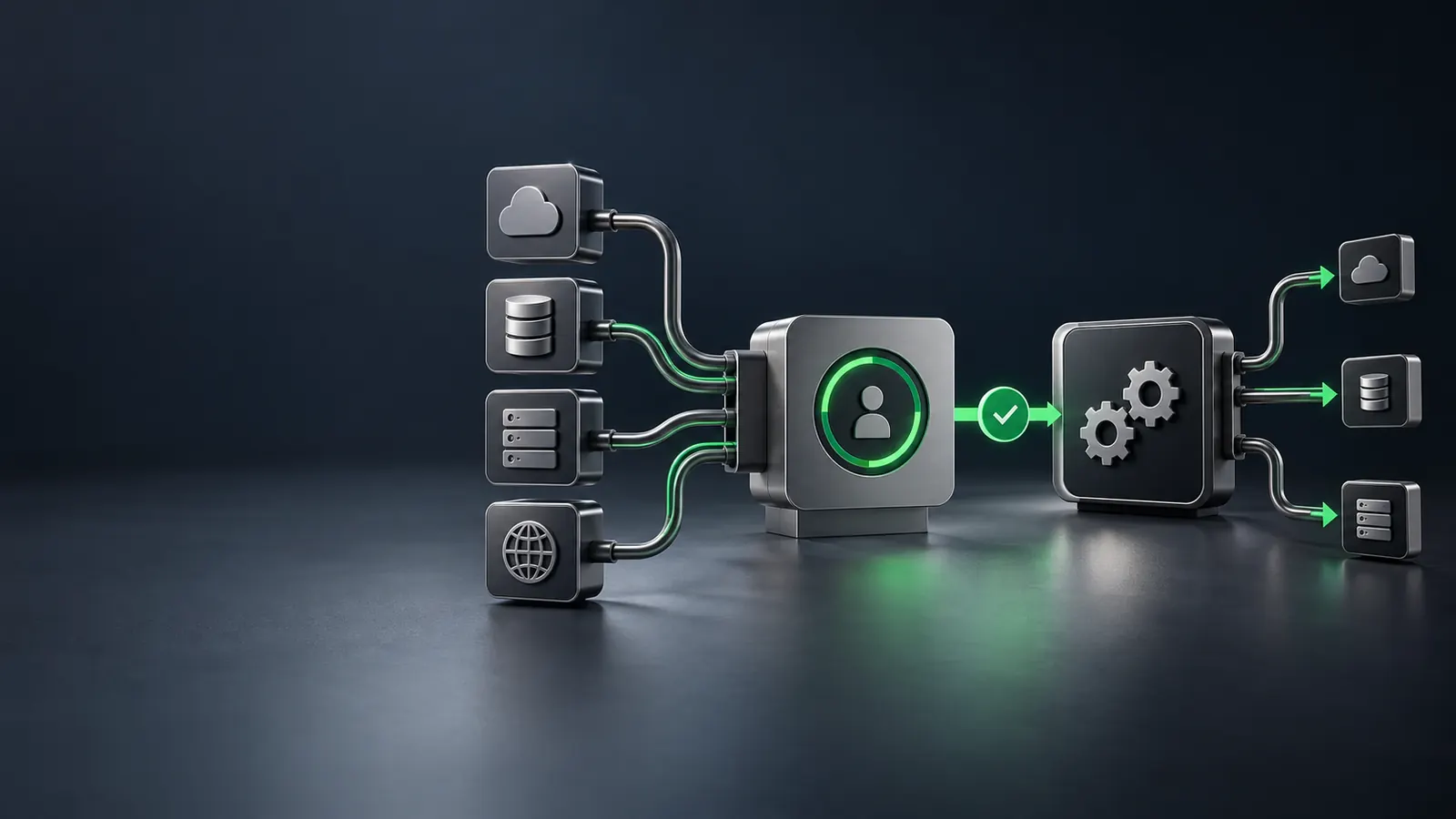
The layer that runs the actions. Bots and agents connected to your CRM, ERP and other systems that classify, respond and run actions. Always with explicit permissions and human review when your operation requires it.
Automation without losing control
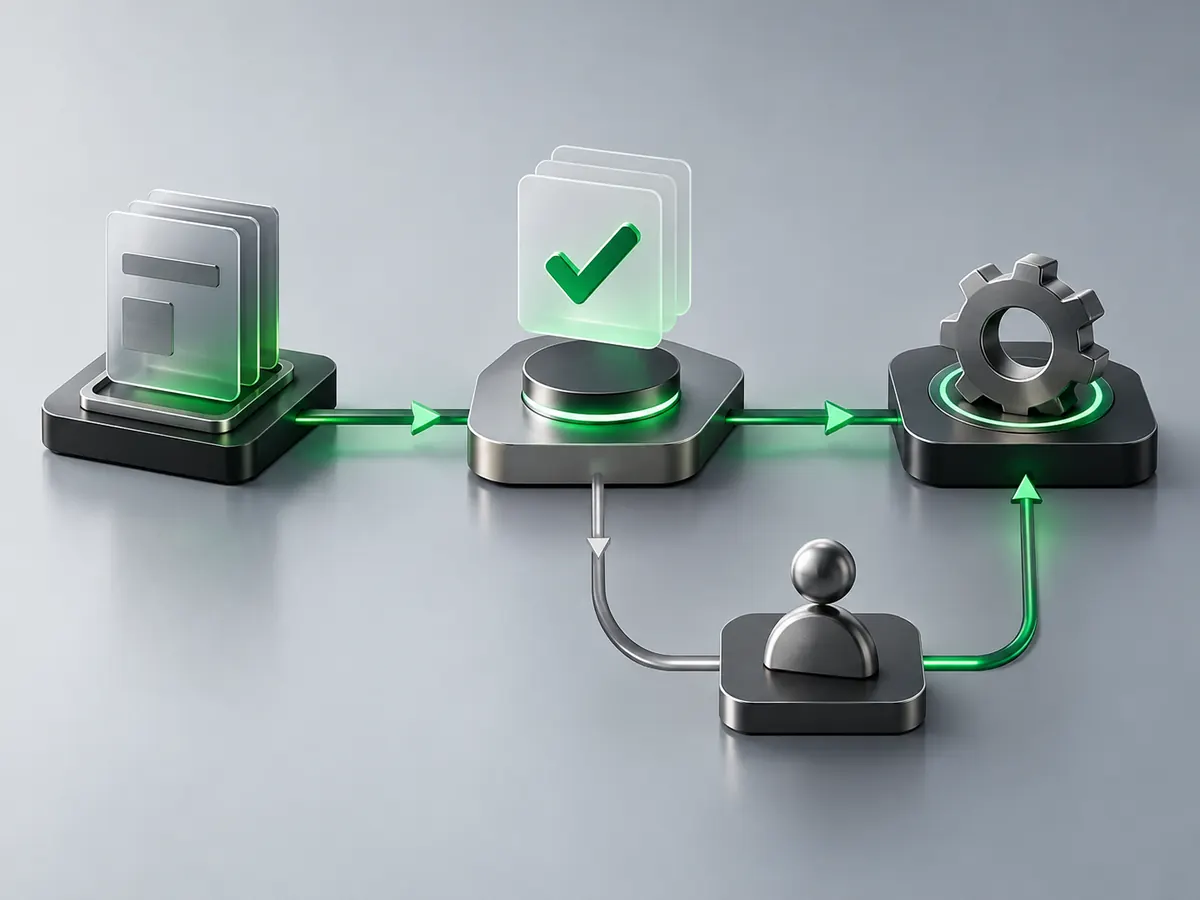
Bots handle repeated inquiries and the AI agent suggests actions escalated to people when appropriate. Every step generates an audit trail and requires explicit consent to act on external systems.
What's in AITHANEX Agents
Automatic replies to FAQs
The bot handles schedules, prices, order status and process steps without manual intervention.
AI inquiry classification
Analyses incoming messages to route each inquiry to the right team or reply immediately.
Connection with CRM, ERP and internal systems
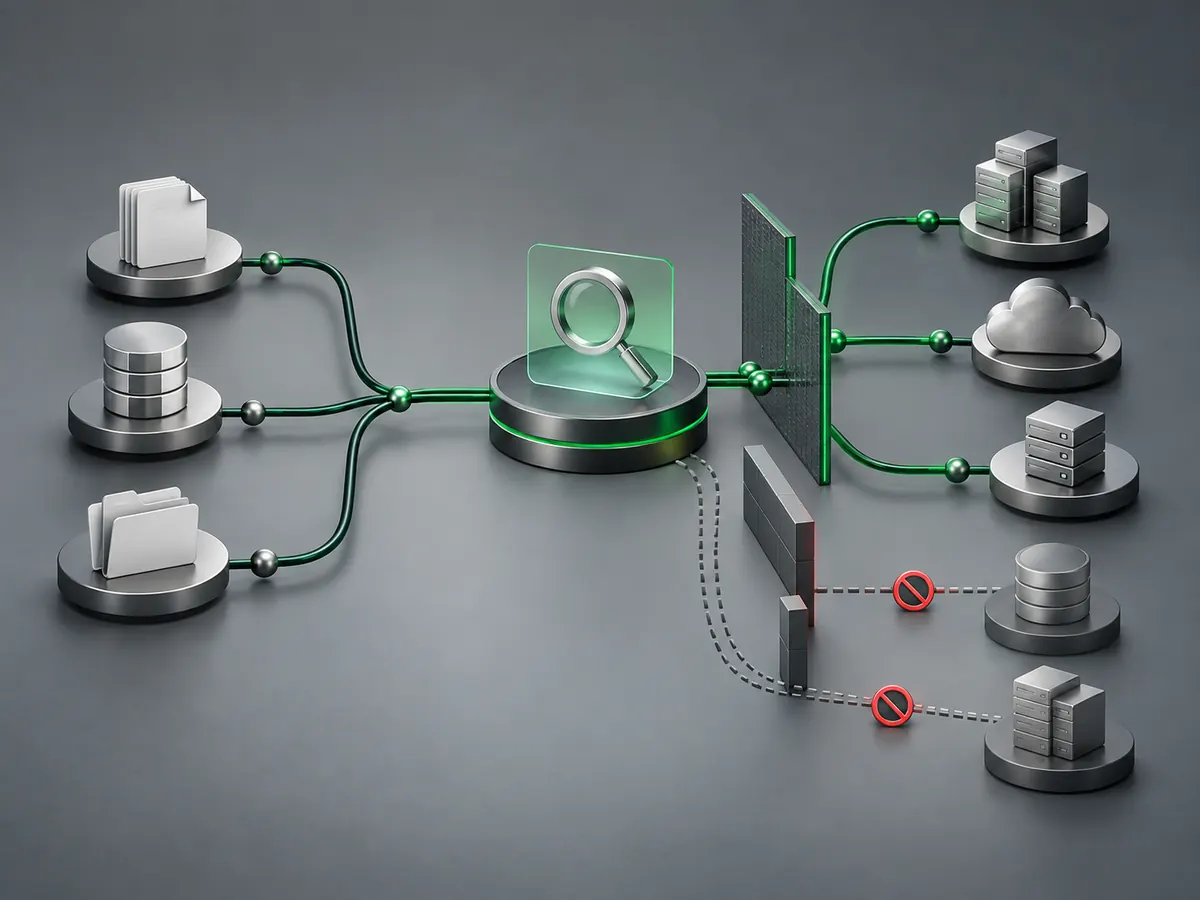
Integrates via API to enrich data, suggest replies and log actions with traceability.
Action suggestions, not automatic actions
Proposes next steps in operational processes, but requires human approval before executing on systems.
How AITHANEX Agents worksAgents
Connected to the human tray
It works with AITHANEX Customer Service so human agents see recommendations, history and integrations on the same screen where they serve. The bot suggests; the human decides and serves. When an inquiry mentions an installed device, the AI agent retrieves its status from AITHANEX Things or external systems and leaves it in the tray ready for decisions.
Design, execution and control
The platform components used to define and run agents. Advanced capabilities are still in development and validation; the available scope is defined per project.
| Component | Function |
|---|---|
| Agent designer | Creates agents with role, instructions, permissions, sources and an associated model. |
| Flow designer | Defines visual flows that can use agents, rules, events, APIs or external actions. |
| Execution engine | Runs agents in real time and handles concurrency, retries, errors and timeouts. |
| MCP server | Exposes tools, connectors and external actions under permissions and traceability. |
| Permissions | Granular control: who creates agents, who runs actions and on which resources. |
| Audit | Server-side record of sources, model, tokens, user, action and outcome of each execution. |
Platform use cases
Technical scenarios of the platform, not customer projects. Each deployment defines its own sources, permissions and limits.
2. Assisted control in AITHANEX Things
Goal: Query operational data and run controlled actions on devices when the deployment enables it.
Technique
- Input: telemetry, state, alarm, asset, user and permissions.
- Query: the agent interprets the data available in AITHANEX Things.
- Decision: the flow validates rules, permissions and actuation limits.
- Execution: the action is launched as a command, configuration, incident or external call.
- Logging: sources, model, tokens, user, action and outcome are stored.
3. Automation with workflows and MCP
Goal: Coordinate processes that combine rules, agents, APIs and external systems.
Technique
- Flow: an event, rule or request starts the workflow.
- Agent: interprets context if the step requires it.
- MCP: runs authorized calls to external tools.
- Control: validates permissions, limits, errors and outcome.
- Observability: records execution, model, tokens, estimated cost and traceability.
See the technical scope of AITHANEX AI.
Frequently asked questions
Does the bot act without human supervision?
No. The bot answers FAQs without supervision (they are predefined replies). But any action on external systems —creating a ticket, updating a field, changing a status— requires explicit human approval or is configured as safe under explicit permissions.
Does it connect to our CRM or ERP?
Yes. AITHANEX Agents integrates via API with systems that have a standard interface (Salesforce, SAP, NetSuite, legacy systems), each connector validated in the project before going live.
What happens if the AI agent is wrong in its suggestion?
The human agent sees it, rejects the suggestion and handles it as appropriate. The log shows AI suggested X and the human decided Y.
How is it different from a normal chatbot?
A chatbot replies by rules; AITHANEX Agents analyses context, adapts through use in each project and integrates systems. It never acts without explicit permission.
Automation that audits its own work
Configure AI agents with explicit permissions, integrate systems without duplicating data, and keep a log of every decision for compliance and continuous improvement.