

#Datasheet
Telemetry, rules and remote operation of your distributed assets
Architecture, ingestion protocols (MQTT, HTTP, CoAP, REST), data model, alerts and technical limits. Technical datasheet of AITHANEX Things.
Component architecture
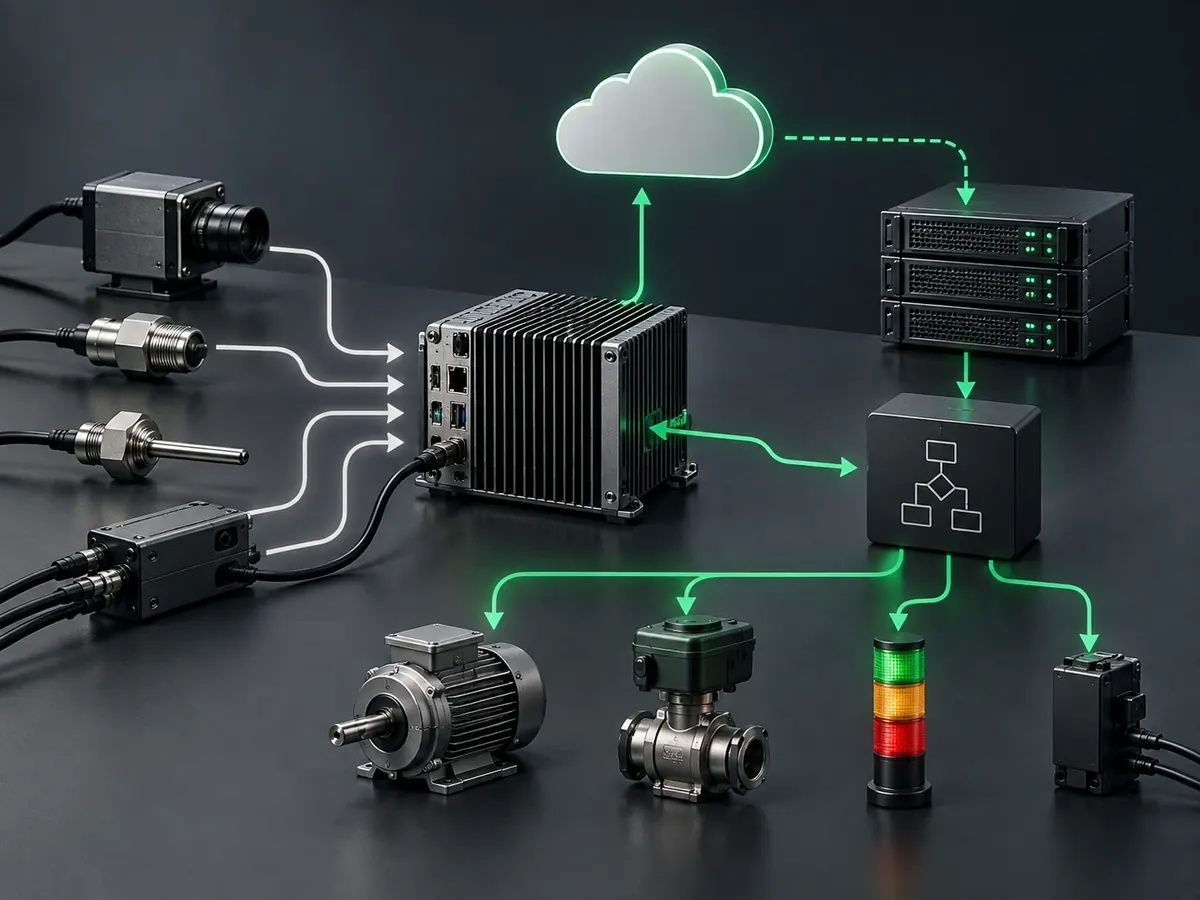
AITHANEX Things organises telemetry from compatible devices and offers web, mobile and remote API applications. It integrates hardware via MQTT, HTTP, CoAP or REST API and publishes data to your systems.
Integrates with the other AITHANEX products through a common base of permissions, history and traceability.
| Component | Function |
|---|---|
| Ingestion engine | Receives data from devices over multiple protocols and normalizes it. |
| Asset manager | Organises devices by customer, installation, hierarchy and customisable profile. |
| Rules engine | Evaluates conditions, thresholds and events to trigger automatic actions. |
| Alarm system | Detects, classifies, propagates and logs operational events with traceability. |
| Remote control | Sends commands to compatible devices with a result log. |
| OTA and configuration | Deploys firmware and parameters when the device supports it. |
| Historicals | Keeps telemetry, events, states, commands and configuration changes. |
| Operation interfaces | Web app, maps, mobile app and APIs. |
Platform ingestion and API connectivity
| Protocol / Mechanism | Use |
|---|---|
| MQTT | Real-time telemetry from devices and gateways. |
| HTTP | On-demand ingestion and integration endpoints. |
| CoAP | Devices with limited resources. |
| WebSocket | Real-time updates to the web interface. |
| APIs REST | Integration with external systems, ERP or third-party platforms. |
Third-party devices integrate via gateway, API or compatible protocol. Their support depends on the hardware and configuration.
Data model
| Entity | Description |
|---|---|
| Asset | Any element, device, control point or monitored infrastructure. |
| Telemetry | Numeric variables, states and metrics sent by the device. |
| Event | Status change, threshold exceeded or loss of communication. |
| Alarm | Event classified with severity level, tracking status and history. |
| Command | Action sent to the device with a result log. |
| Installation | Grouping of assets by location or project. |
| Customer / Tenant | Logical segmentation separating data, permissions and configuration. |
Each asset supports custom attributes and profiles based on the type of equipment or installation.
Alarms: detail
| Element | Scope |
|---|---|
| Condition | Threshold, status change, loss of communication, received event or combined rule. |
| Level | Informational, warning, critical or another level defined by the deployment. |
| Context | Asset, location, customer, installation, group or affected equipment type. |
| Action | Notification, escalation or incident logging. |
| Status | Open, acknowledged, in progress, resolved or closed. |
| Historical | Log of appearance, changes, owners, actions and final result. |
Integrations and limits
What it can do:
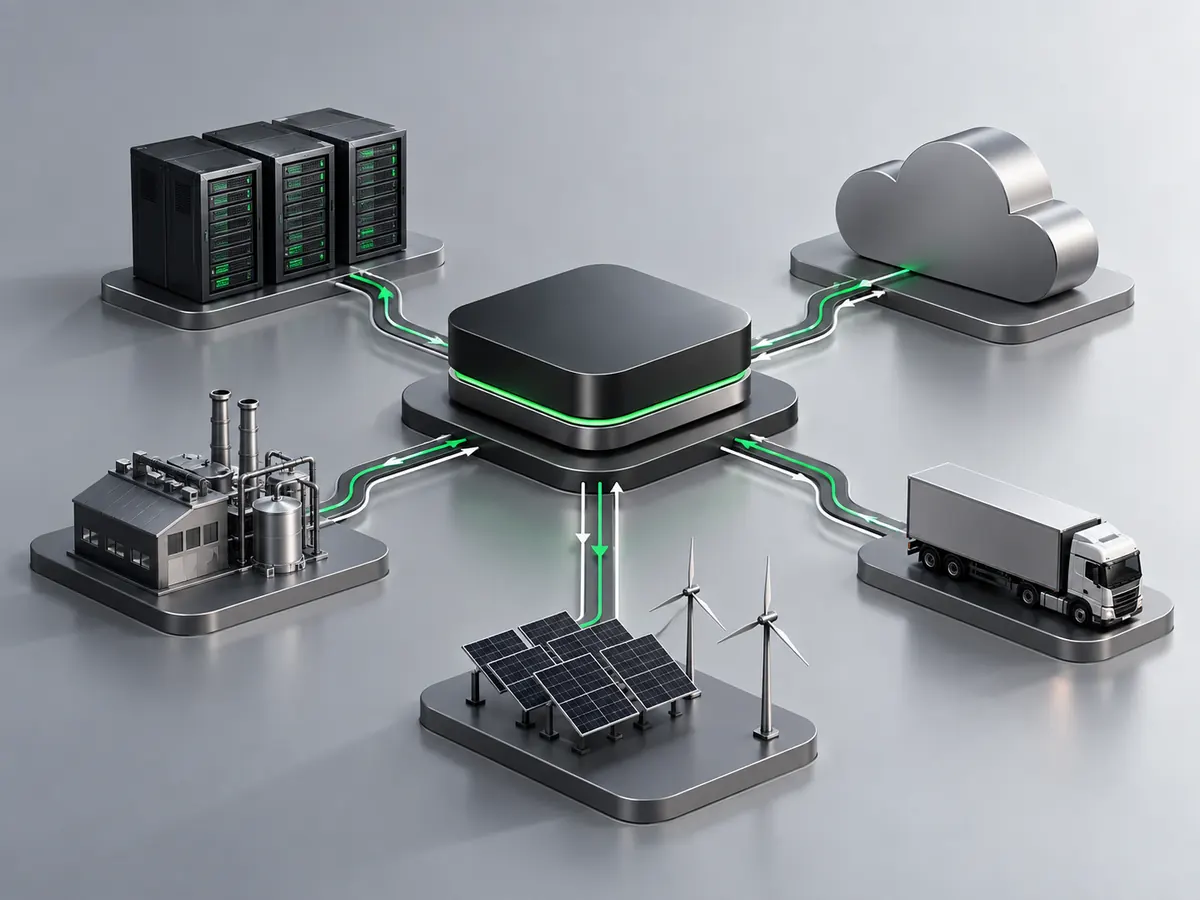
- Receive telemetry from AITHANEX system devices and from third-party hardware with a compatible protocol.
- Run remote commands on devices when firmware and permissions allow.
- Expose data and actions to AITHANEX AI, ERP, internal systems or external APIs.
- Operates in multi-tenant deployments with logical separation by customer and/or installation.
Limits:
- Remote control requires the device to support the corresponding command protocol.
- OTA updates depend on the target device firmware’s capability.
- Integration with external systems requires APIs, credentials and exchange rules defined per project.
- Integration capabilities with AITHANEX AI are optional and enabled by configuration.
Platform security
| Area | Scope |
|---|---|
| Authentication | User and system access via credentials managed by the platform. |
| Permissions | Role-based control: read, operate, configure and administer. |
| Segmentation | Logical isolation of data and operations by customer and installation. |
| Communication | Encryption based on deployment configuration and enabled protocols. |
| Traceability | Log of actions, commands, configuration changes and access per user. |
Multi-tenant architecture
AITHANEX Things supports logical separation by customer and/or installation.
Each tenant has its own assets, data, alarms, permissions and configuration. It cannot access other tenants without explicit administrative enablement.
Integration requirements
| Area | Requirement |
|---|---|
| Devices | Ability to publish data or integrate via gateway, API or compatible protocol. |
| External systems | APIs, credentials and exchange rules defined per project. |
| Users | Roles, permissions and segmentation configured for each deployment. |
| Data | Minimal model of assets, events, states and metrics for traceable operation. |
Operating capabilities
| Area | Support |
|---|---|
| Automation | Visual rules, filters, data enrichment and operational flows. |
| Commands | Remote actions on compatible devices. |
| Visualization | Web dashboards for monitoring, maps, tables, charts and status cards. |
| Mobility | Mobile app for alerts, operational review, on-site follow-up and dashboards. |
| Operational data | Telemetry, states, alarms, metrics and events. |
| Assets | Custom attributes and profiles. |
Remote control, OTA and configuration
Things runs remote operations on compatible equipment when the firmware, permissions and connectivity allow it.
| Operation | Scope |
|---|---|
| Remote commands | Secure orders to compatible devices, with the result logged. |
| Remote configuration | Parameters, profiles or operating changes without travelling to site. |
| OTA | Firmware distribution and per-device tracking of deployment status. |
| Telemetry | Query of state, metrics, events and the result of remote actions. |
Operating interfaces
Operation is carried out from several interfaces, all built on the same data model.
| Interface | Use |
|---|---|
| Web dashboards | Monitoring, control and operational analysis. |
| Maps | Location, status and territorial grouping of assets. |
| Mobile app | Alerts, operational queries and follow-up away from the control desk. |
| AITHANEX AI | Telemetry queries, operational assistance and controlled actions when enabled. |
| APIs | Integration with internal systems, ERP or other platforms. |
Typical applications
| Field | Use |
|---|---|
| Smart City | Lighting, environmental sensors, urban services and municipal infrastructure. |
| Energy | Metering, electrical monitoring, consumption alarms and remote control. |
| EV charging | Monitoring of chargers, sessions, operating status and remote maintenance. |
| Asset security | Tracking of exposed equipment, logging movement, impact or tampering. |
| Remote infrastructure | Telecom shelters and cabinets, gateways, electrical cabinets and distributed equipment. |
| Industrial telemetry | Data from machines, production lines and remote equipment. |
| Fleet management | Tracking of mobile assets, vehicles, service equipment and distributed devices. |
Documentation in PDF
Download the product document.